Planning Your Trip Around the Great Migration
- Dominic Michael
- Sep 30, 2025
- 4 min read

Embarking on a safari to witness the Great Migration is a dream come true for many travellers. The sheer scale of this natural spectacle, where millions of wildebeest, zebras, and gazelles journey across the plains, is awe-inspiring. Planning your trip carefully can make all the difference between a good experience and an unforgettable one. Lakeshore Tours & Safari, we are here to guide you through the essential steps and share some great migration safari tips to help you make the most of this incredible adventure.
Essential Great Migration Safari Tips for Your Trip
When planning your safari, timing is everything. The Great Migration follows a seasonal pattern, moving through different regions at different times of the year. To catch the best moments, you need to know where to be and when.
We will help you choose the right season: The migration moves in a cycle. From December to March, the herds are in the southern Serengeti and the Ngorongoro Conservation Area, grazing on fresh grass after the rains. Between April and May, they move northwest as the plains dry up. The dramatic river crossings happen from July to October along the Mara River in the northern Serengeti and Masai Mara.
Book early: Safari lodges and camps fill up quickly during peak migration months. Secure your accommodation and guides well in advance to avoid disappointment.
Pack smart: Bring lightweight, neutral-coloured clothing, a good pair of binoculars, a camera with a zoom lens, and sun protection. Early mornings and evenings can be chilly, so layering is key.
Stay flexible: The migration is a natural event and can be unpredictable. Be ready to adjust your plans to follow the herds and maximise your sightings.

Exploring the vast Serengeti plains in search of the migrating herds
When to Visit for the Best Migration Experience
Understanding the migration calendar helps you pick the perfect time for your trip. Here’s a quick guide:
December to March: The herds are in the southern Serengeti, calving season peaks in February. This is a great time for predator sightings as lions and cheetahs take advantage of vulnerable young.
April to May: The migration moves northwest. This period is quieter for tourists but offers lush scenery and fewer crowds.
June to July: The herds start crossing the Grumeti River in the western Serengeti. This is a thrilling time to witness dramatic river crossings.
August to October: The migration reaches the Mara River in the northern Serengeti and Masai Mara. This is the most famous and popular time to visit, with spectacular crossings and intense predator-prey action.
November: The herds begin moving back south, and the cycle starts again.
Choosing your travel dates based on these phases will help you experience the migration at its most exciting.
What is the Great Serengeti Migration?
The Great Migration is one of the most extraordinary wildlife events on Earth. Every year, over 1.5 million wildebeest, along with hundreds of thousands of zebras and gazelles, travel in a continuous loop through the Serengeti ecosystem in Tanzania and the Masai Mara in Kenya.
This journey is driven by the search for fresh grazing and water. The animals face many challenges along the way, including river crossings filled with crocodiles and encounters with predators like lions and hyenas. The migration is a powerful reminder of nature’s resilience and the delicate balance of ecosystems.
The serengeti great migration is not just about the animals. It’s also a chance to witness the stunning landscapes of the Serengeti, from endless grasslands to acacia-dotted plains, and to connect with the rich culture of the local Maasai people.
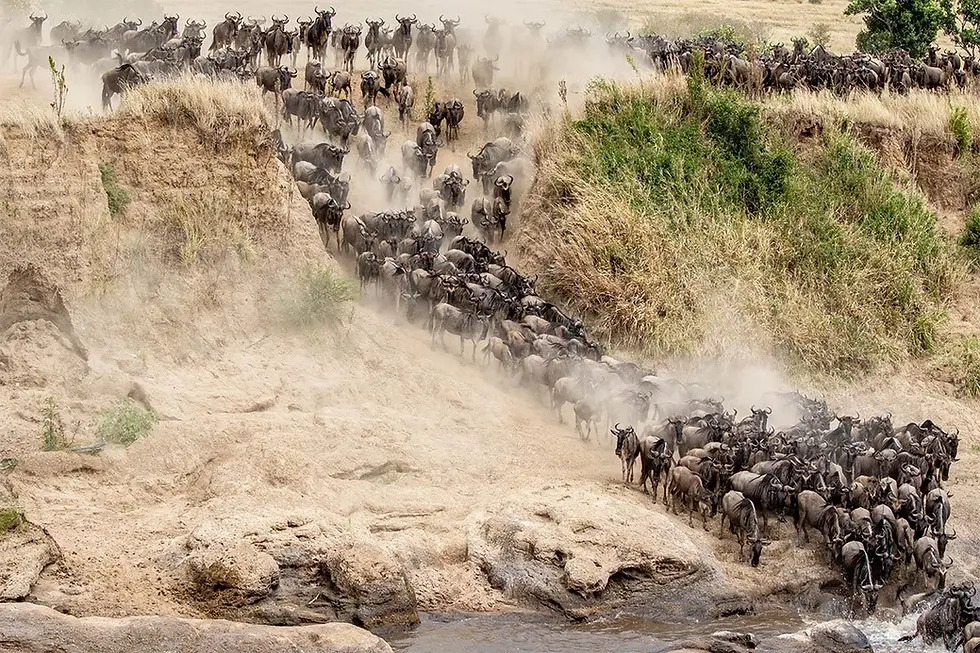
Dramatic river crossing during the Great Migration in the Mara River
How to Choose Your Safari Accommodation
Your choice of accommodation can greatly enhance your migration experience. Here are some tips to help you decide:
Location matters: Pick lodges or camps close to the migration routes. This reduces travel time and increases your chances of seeing key events.
Consider the style: From luxury lodges with all the amenities to rustic tented camps that bring you closer to nature, there’s something for every preference.
Book guided packages: at Lakeshore Tours & Safari, we offer safari packages that include game drives, meals, and transfers.
Look for eco-friendly options: Supporting sustainable tourism helps protect the environment and local communities.
Staying in a well-located camp or lodge means you can enjoy early morning and late afternoon game drives, the best times to see wildlife.
Tips for a Memorable and Responsible Safari Experience
To make your trip truly special and respectful to the environment and local culture, keep these points in mind:
Respect wildlife:
Support local communities:
Travel light and smart:
Learn about the culture:
Stay patient and observant:

Eco-friendly safari camp blending into the Serengeti environment
Planning your trip around the Great Migration is an exciting journey in itself. With the right preparation, you’ll not only witness one of nature’s greatest shows but also create memories that last a lifetime. Whether it’s your first safari or a return visit, these tips will help you experience the magic of the migration in a meaningful and unforgettable way. Happy travels!


Comments